What to Check First, Aviator Predictor
How what to check first works for aviator predictor, UPI details, realistic timings and the pitfalls to avoid.
What is What to Check First?
Before acting on any Aviator Predictor signal, you must run a short pre-check routine, a fixed set of live conditions that must align before a round is considered actionable. This is not optional preparation; it is the filter that separates reliable signals from noise. Players who skip this step frequently report accurate predictions paired with losing results, because external conditions, not the algorithm, caused the mismatch.
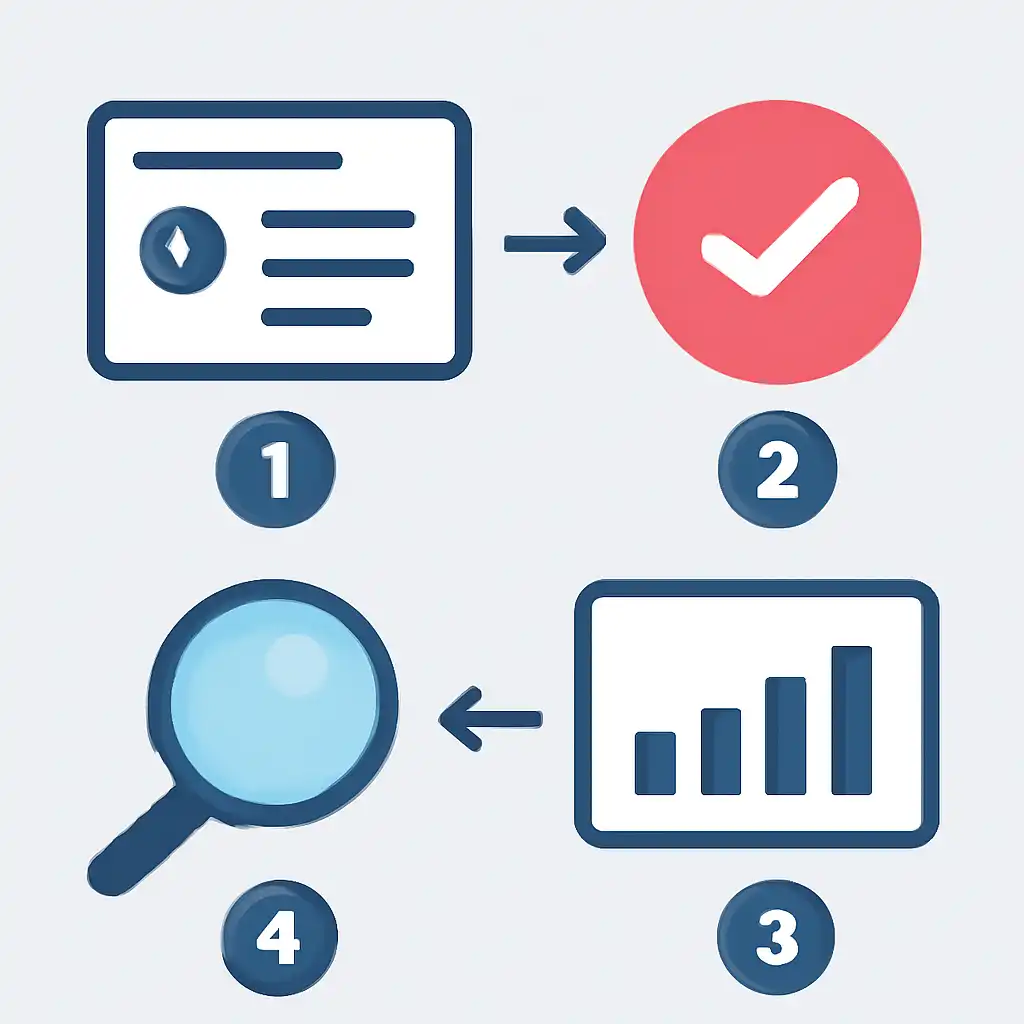
The framework covers four variables: your connection latency, the depth of round history loaded in the buffer, the session volatility rating, and the signal confidence score for the upcoming round. When all four clear their thresholds simultaneously, the Aviator Predictor is operating at peak accuracy. When even one falls short, the correct move is to skip that round entirely and wait for the next.

What to Check First, Step by Step
Follow this sequence before every session. Do not reorder the steps, each reading feeds into the next decision point.
- Confirm the Live badge is green. The Aviator Predictor dashboard shows a status indicator in the top corner. If it reads "Connecting" or "Delayed," wait before proceeding.
- Count loaded rounds in the history panel. You need a minimum of 20 completed rounds visible. If fewer are showing, click Reload History and let the buffer fill before reading any signal.
- Read the Session Volatility bar. This runs from Low to Extreme. New users should only act on Low or Medium sessions. High and Extreme rounds carry wider variance and demand tighter cash-out discipline.
- Check your ping. Latency above 180 ms means you may not cash out in time even when the signal is correct. Switch networks or reconnect if your ping exceeds this threshold.
- Read the confidence score. The predictor rates each upcoming round from 1 to 100. Only enter rounds scoring 65 or above. Rounds between 40 and 64 are marked Watch Only, observe, do not bet.
- Set auto-cashout before liftoff. Enter the predictor's recommended multiplier into the bet slip before the plane takes off. Manual timing introduces reaction lag that erases the signal's edge.
How What to Check First Works
The Aviator Predictor processes a rolling window of multiplier outcomes to detect statistical clustering, sequences where output trends toward predictable bands. This pattern-detection only functions correctly when the input data is fresh and complete. Verifying the history buffer depth first ensures the algorithm has enough rounds to identify a valid cluster rather than extrapolating from noise.
The confidence score is calculated in real time by weighting three sub-signals: recent multiplier drift, volatility trend, and RTP deviation from the session baseline. When you manually confirm these conditions before betting, you verify that the score reflects current game state, not a stale calculation from when your connection briefly dropped.