How a Round Works, Aviator Predictor
how a round works for aviator predictor: requirements, timings, costs and what to do when something goes wrong.
What is How a Round Works?
Every Aviator round follows a provably fair three-phase sequence: a 5-second bet window, a live flight phase where the multiplier climbs from 1.00x upward, and a crash event that ends the round instantly. The crash point is generated server-side before a single bet is accepted, seeded by a shared hash combining casino and player entropy inputs, which means the outcome is already fixed when the countdown begins. Aviator Predictor reads the recorded crash value from each completed round and feeds it into a rolling statistical model that tracks distribution patterns across the last 30 to 200 rounds.
Understanding this structure matters because it shifts your strategy from in-flight guessing to pre-round positioning. Rather than watching the multiplier climb and reacting on instinct, you consult the predictor's probability output before placing any bet, then set an auto-cashout target that reflects the data signal, not emotion. This discipline separates consistent players from those who chase losses round after round.
How a Round Works for New Players
New players on Indian platforms such as Parimatch, 1Win, or Betway India often drain their first deposits by holding through the flight phase hoping for a 10x result. A safer entry routine: watch five consecutive rounds without betting to calibrate how quickly the multiplier moves, then place minimum-stake bets with auto-cashout locked at 1.5x for your first 20 rounds. Deposit using PhonePe, GPay, or BHIM UPI, all three are accepted instantly on major Aviator casinos with ₹100 minimum deposits, so a starting bankroll of ₹500 is realistic and low-risk.
After those 20 practice rounds, open Aviator Predictor and compare the crash history it recorded against your manual observations. You will typically find that 40 to 55% of rounds crashed below 2x, confirming why conservative auto-cashout targets outperform bold holds when you are still learning the game's rhythm. Tracking these numbers yourself in a simple notes app, even Google Keep, reinforces the habit of data-led decisions over impulse cashouts.
How How a Round Works Works
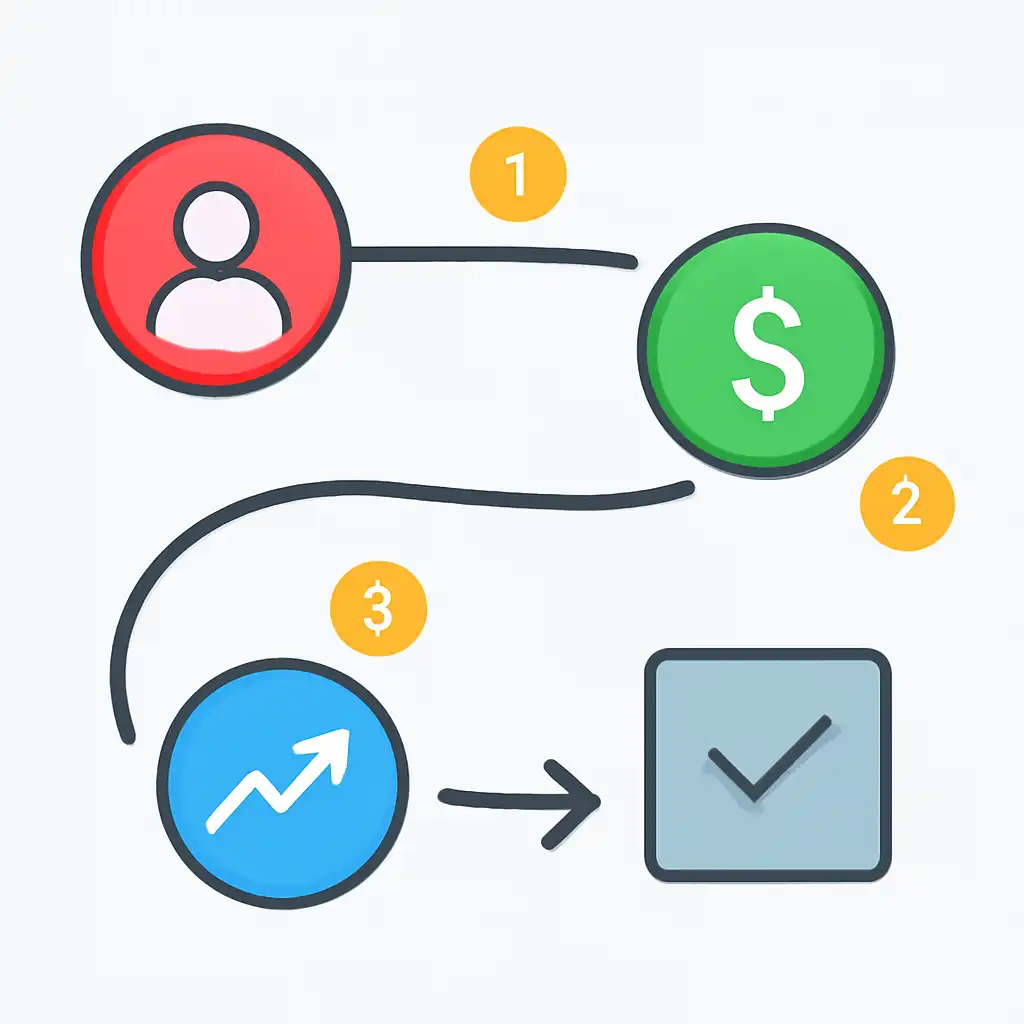
Aviator Predictor processes each completed round's crash multiplier in real time and updates a sliding-window frequency table. When you open the predictor before a new round, it displays three outputs: the percentage of recent rounds that exceeded 1.5x, 2x, and 5x respectively. If 62% of the last 50 rounds exceeded 1.8x, the tool flags a moderate-confidence signal, and you set auto-cashout at 1.7x to sit just below that threshold with a safety margin. This approach differs sharply from fixed-multiplier systems like the Martingale strategy, where stake doubling after every loss compounds risk without any historical data input.
The predictor refreshes within 1 to 2 seconds of each crash event, faster than manually scrolling the in-game history panel. On mobile, the primary device for Indian Aviator players, this speed advantage is significant during the narrow 5-second bet window where every second counts.